
10 Interesting Facts When Cooking With Ice
Cooking gets a lot more fun when you realize that the coldest tool in your kitchen can completely change how ingredients behave. Somewhere between science experiment and chef’s trick, you’ll find interesting facts when cooking with ice that flip familiar techniques on their head. Ice can sharpen colors, shift textures, and even rescue dishes you thought were beyond saving. By the time you’re done reading, you might start seeing that humble tray in your freezer as a secret weapon rather than an afterthought.
Ice Helps Lock in Vibrant Color in Vegetables
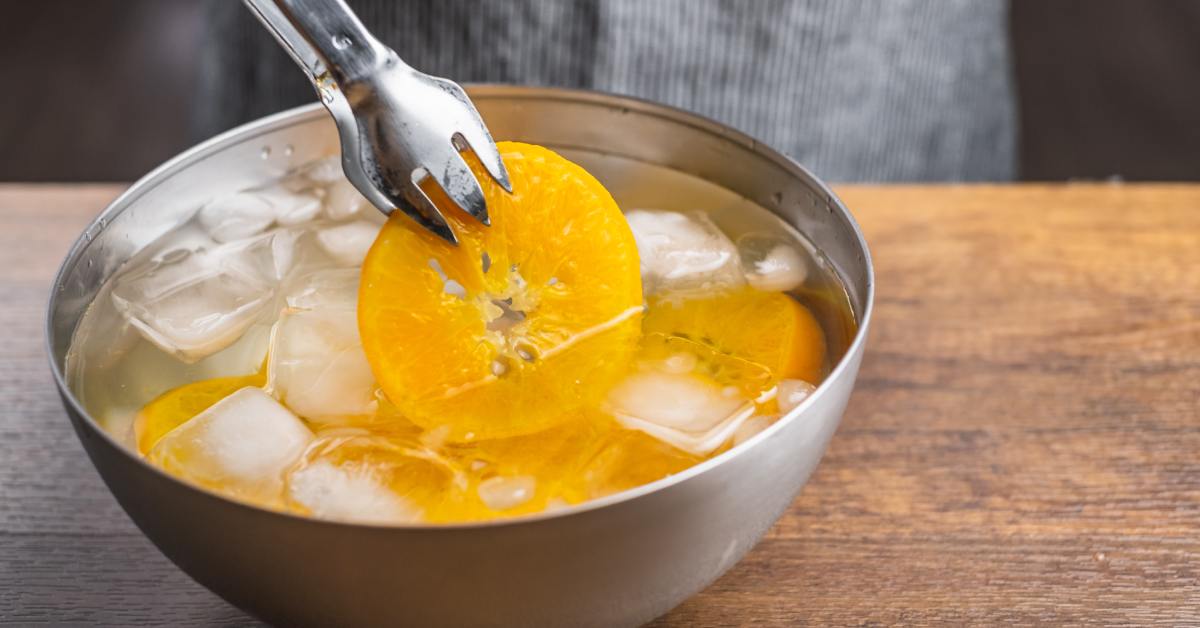
Blanching vegetables briefly in boiling water and then plunging them into an ice bath is a technique known as “shocking.” This process stops the cooking but also helps preserve the vibrant colors of green vegetables like asparagus, green beans, and broccoli. The rapid cooling halts the enzymatic activity that causes vegetables to turn a dull, olive green color over time. This method locks in the bright, appealing hues, making your final dish look as fresh and lively as it tastes.
Ice Can Prevent Overcooking in Delicate Proteins
Delicate proteins such as shrimp and scallops cook very quickly. Even a few extra seconds of heat can turn them from tender and juicy to tough and rubbery. An ice bath provides a quick and effective way to stop the cooking process instantly. After poaching or searing, transferring the protein to an ice bath halts the residual heat from continuing to cook the food. This gives you precise control over the final texture, producing perfectly cooked seafood every time.
Ice Enhances Dough Texture in Certain Recipes
In baking, temperature control is critical, especially when working with high-fat doughs like those for pastries and pies. Using ice-cold water helps keep the butter or shortening solid. When the dough bakes, these solid fat pockets melt and release steam, creating the light, flaky layers that define a great pastry. Adding ice cubes to the water before mixing it into the flour helps keep the mixture cold and prevents the fat from melting prematurely, resulting in a superior, tender crust.
Ice Can Improve the Flavor and Clarity of Broths
A clear, flavorful broth or stock is the foundation of many soups and sauces. One professional technique for achieving this is to use an “ice raft.” After skimming the initial impurities from a simmering stock, a layer of ice is placed on top. The cold from the ice causes the remaining fats and solids to congeal and cling to it. As you carefully remove the ice, you lift away these unwanted particles, leaving behind a remarkably clear and pure-flavored broth without the need for extensive straining.
Ice Plays a Key Role in Emulsions and Dressings
Creating a stable emulsion, such as a vinaigrette or mayonnaise, requires careful temperature control. Cold ingredients emulsify more effectively, creating a smoother, creamier final product. Using a bowl set over an ice bath while whisking your ingredients helps keep the mixture cool. This prevents oils from separating and allows the fats to bind properly with the other components. The result is a well-balanced, stable dressing or sauce with a silky consistency that won’t break as it sits.
Ice Helps Shape and Set Foods During Prep
Ice is an invaluable tool for shaping and setting various food preparations. For instance, when making meatballs or burgers, chilling the meat mixture makes it firmer and easier to handle and shape uniformly. Similarly, certain desserts and molded dishes rely on ice baths to set quickly. Placing a mold in an ice bath rapidly cools the contents, helping gelatin-based desserts or chilled mousses firm up faster and maintain their intended shape. This is all especially useful when time is limited.
Ice Can Transform Textures in Unexpected Ways
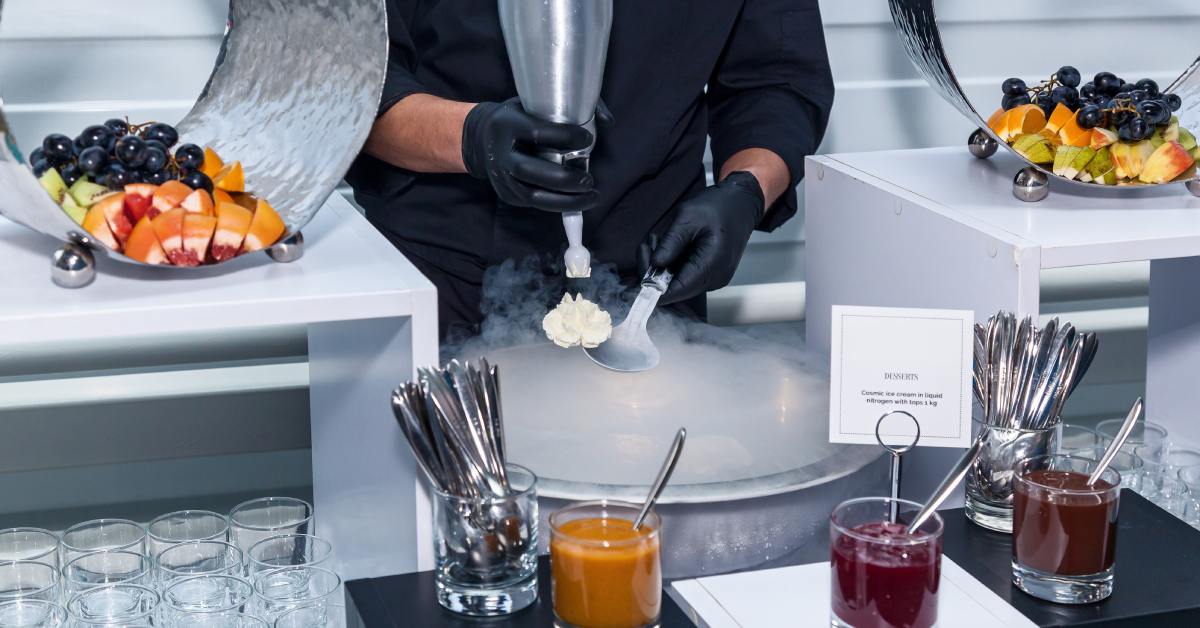
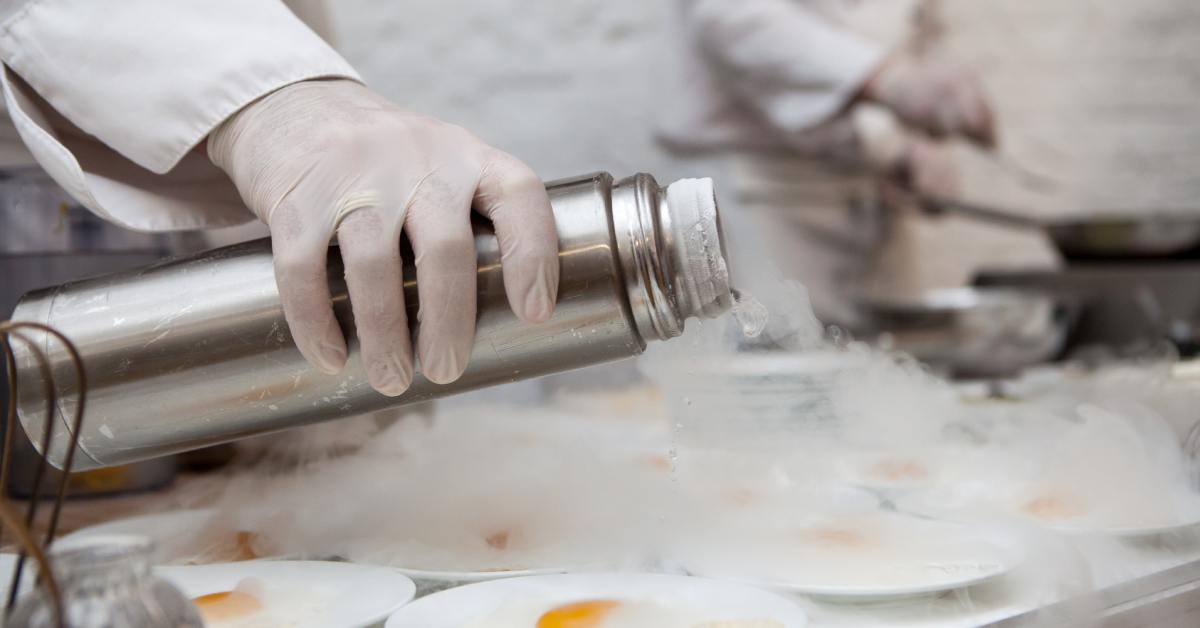
Beyond traditional cooling, ice can be used to create unique textures. For example, granitas are made by freezing a liquid mixture and periodically scraping it with a fork to form coarse ice crystals. This simple technique transforms fruit juices or coffee into a light, crunchy dessert. In a more advanced application, chefs use super-chilled surfaces, sometimes cooled with dry ice, to instantly freeze sauces or purées into delicate, paper-thin sheets, adding a surprising textural element to a dish.
Ice Is a Secret Tool for Perfect Rice and Grains
Achieving fluffy, perfectly cooked rice can be tricky, but an ice cube can help. Placing a single ice cube on top of leftover rice before reheating it in the microwave creates steam. This steam gently rehydrates the grains to restore their original fluffy texture without making them soggy or mushy. This simple trick works well for other grains too, reviving them to a “just-cooked” state, making your leftovers much more enjoyable and preventing food waste in the process.
Ice Can Help Control Dilution and Temperature in Sauces
When preparing a pan sauce, controlling its temperature and consistency is key. Adding an ice cube or two to a sauce that is reducing too quickly can instantly lower the temperature, stopping the evaporation and preventing it from becoming overly concentrated or salty. This also helps with emulsification when finishing a sauce with butter, as the cold butter incorporates smoothly without breaking the sauce, resulting in a glossy, perfectly balanced final product.
Ice Is Essential for Certain Cultural Cooking Techniques
Many traditional culinary practices around the world rely on ice. In Japan, the “ikejime” method for preparing fish involves a quick, humane kill followed by chilling in an ice slurry. This technique preserves the fish’s texture and flavor, resulting in superior quality sashimi. Similarly, in Korean cuisine, dishes like “naengmyeon” (cold buckwheat noodles) are served in an icy broth, providing a refreshing meal that is especially popular during hot summer months and showcases ice as a central ingredient.
Need Ice for Your Next Event?
If your kitchen or business requires large quantities of ice for cooking, prep, or special occasions, Ici Ice Company is here to help. Our reliable ice freezer rental service gives you quick, flexible access to clean, high-quality ice whenever you need it. Reach out to us today to keep your operations running smoothly and your ingredients perfectly chilled.
From preserving color to creating new textures, the applications of ice in the kitchen are both diverse and impactful. These methods show that a simple ingredient can be a powerful tool for achieving professional-level results. With these interesting facts when cooking with ice, you can unlock new possibilities in your own cooking.








Leave a Reply