
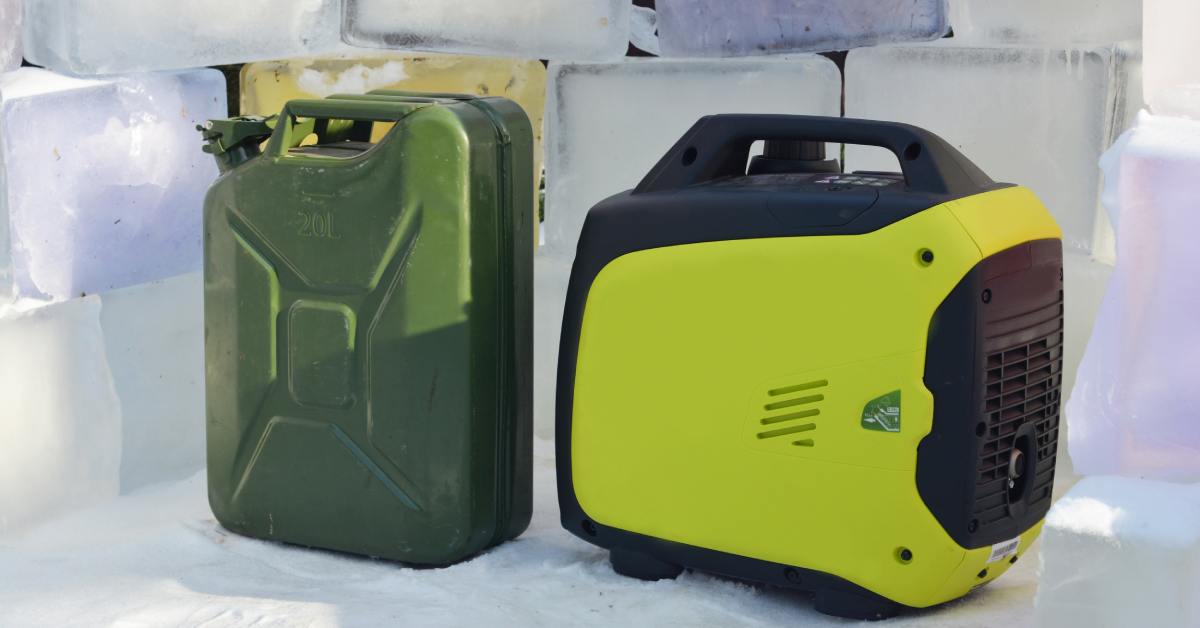
The Role of Ice in Disaster Relief Situations
When disaster strikes, we often think of shelter, water, and medical care. However, ice is a surprisingly critical resource that’s usually forgotten. From preserving food and medical supplies to supporting infrastructure, ice plays a vital role in disaster relief situations. Without it, food spoils, medicines are lost, and public health risks escalate. Understanding this essential resource empowers you to prepare for unexpected emergencies.
Why Ice Is a Critical Asset in Emergencies
In the aftermath of a disaster, normal supply chains break down, and power can be out for days or even weeks. In these conditions, ice becomes an indispensable tool for preservation, health, and comfort.
Preserving Food and Essential Supplies
Widespread power failures mean refrigerators and freezers stop working. This can lead to massive amounts of food spoilage and financial loss. Ice helps preserve perishable foods like dairy, meat, and produce, so families and businesses can keep their food supplies safe for longer. For restaurants and grocery stores, having a contingency plan for bulk ice can save thousands of dollars in inventory.
Maintaining Medication Temperature
Many life-saving medications, such as insulin and certain antibiotics, require refrigeration to remain effective. During an emergency, a person’s inability to keep their medicine cool can have severe health consequences. Ice packs and coolers filled with ice become a lifeline, enabling individuals and medical facilities to maintain the proper temperature for these critical pharmaceuticals until power is restored.
Supporting Hydration and Cooling Efforts
Disasters, particularly in warmer climates like Houston and the Gulf Coast, often leave people without air conditioning in dangerously high temperatures. Ice provides a direct way to cool down and prevent heat-related illnesses, such as heat stroke and exhaustion. We can also use ice in makeshift cooling stations for first responders and displaced residents, offering much-needed relief.
Assisting With Sanitation
Maintaining cleanliness can be difficult when water systems are compromised. Ice, produced from a safe, potable water source, can serve as a clean water supply for drinking and basic hygiene as it melts. This function is important for preventing the spread of waterborne diseases in shelters and temporary housing setups.
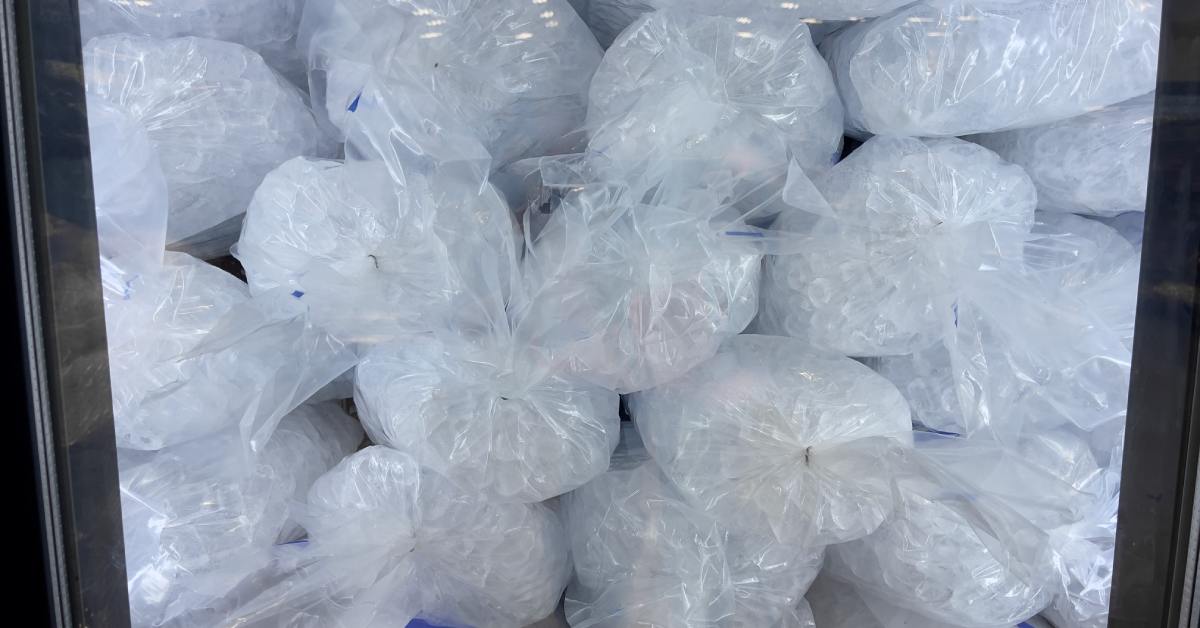
Responding to Specific Disaster Scenarios
Logistical needs for ice can vary depending on the type of disaster.
Hurricanes and widespread grid outages often cause extended cold-chain interruptions and block roads, making large-scale deliveries difficult. The response requires mobile assets from an ice delivery company, such as trucks and freezer trailers that can serve as neighborhood distribution points. These mobile depots can navigate debris-filled areas to bring ice directly to communities in need.
In contrast, wildfires often lead to scattered evacuations and the setup of multiple, dispersed shelters. The primary needs may include supplying ice to numerous smaller sites and keeping firefighters and other first responders hydrated in high-heat conditions. This requires a strategy of frequent, smaller drops to various locations rather than large deliveries to a central point.
How Emergency Ice Gets Where It’s Needed
Delivering ice into a disaster zone is a complex logistical operation built on public-private partnerships. Government agencies like FEMA and the U.S. Army Corps of Engineers often coordinate with private suppliers to streamline procurement and distribution. This ensures that resources can move quickly to the most affected areas.
The entire process depends on maintaining a “cold chain,” an unbroken, temperature-controlled supply line from production to distribution. This begins with producers who follow strict safety standards, such as those set by the International Packaged Ice Association (IPIA). Modern logistics systems provide relief coordinators with real-time visibility into inventory levels, locations, and trucking capacity, helping them direct resources efficiently.
Safety and Quality Standards for Emergency Ice
Not all ice is created equal. In a disaster situation, the quality and safety of the ice are paramount to prevent further public health issues.
Ice intended for consumption, medical use, or contact with food must be made from potable water that meets or exceeds health standards. The production facility should follow strict hygiene protocols to avoid contamination.
Proper handling and packaging are just as important. Ice should be bagged and sealed at the production site to protect it from contaminants during transport and distribution. Volunteers and workers at distribution points should follow safe handling practices, such as using scoops and wearing gloves, to maintain its purity.

How Your Business Can Prepare for Disaster
Waiting until a disaster hits is too late. For any business or facility in a disaster-prone area like the Gulf Coast, having a contingency plan is a smart investment. Partnering with a reliable ice supplier locks in a reliable bulk supply, ice truck access, and clear delivery protocols.
A solid plan starts with establishing a relationship before you need one. Discuss your potential needs and establish a service-level agreement (SLA) that outlines delivery priorities and communication protocols. Your plan should identify key details, including designated delivery windows, access points to your facility, and a communication tree for when normal channels are down.
Consider your on-site capabilities as well. Do you have a backup generator to power your own ice machines or freezers? Could a rented freezer trailer provide the extra storage you would need? Thinking through these questions now will build your organization’s resilience and prepare you to weather the storm.
Real-World Example You Might Follow
Two days before landfall, a regional chain activates its SLA with a professional bulk ice distribution business. Inventory signals are sent out; mobile freezer trucks are staged at a high school and a community center outside the floodplain.
At first light post-storm, a hospital receives the priority drop. By noon, mixed-format deliveries arrive at shelters. A construction crew restoring power gets a small-drop route. Streets with debris force a detour, so dispatch updates delivery windows via SMS. The next morning, a quick after-action review adjusts quantities, adds a third staging site, and tightens the distribution schedule.
This kind of coordinated response is far easier when you’ve partnered in advance with a regional ice provider that can stage assets, prioritize drops, and adapt routes in real time.
Your Partner in Emergency Readiness
When disaster strikes, you need a partner you can count on. Ici Ice Company offers comprehensive services, including bulk ice delivery, ice truck rentals, and support for commercial refrigeration equipment. We have the resources and experience to help your business or organization stay prepared.
The role of ice in disaster relief situations is a fundamental part of community safety and resilience. Don’t wait for the next storm to make a plan. Contact us today to discuss your emergency preparedness needs and learn how we can help you get ready before the next event.












Leave a Reply