
10 Tips To Stay Cool on the Jobsite This Summer
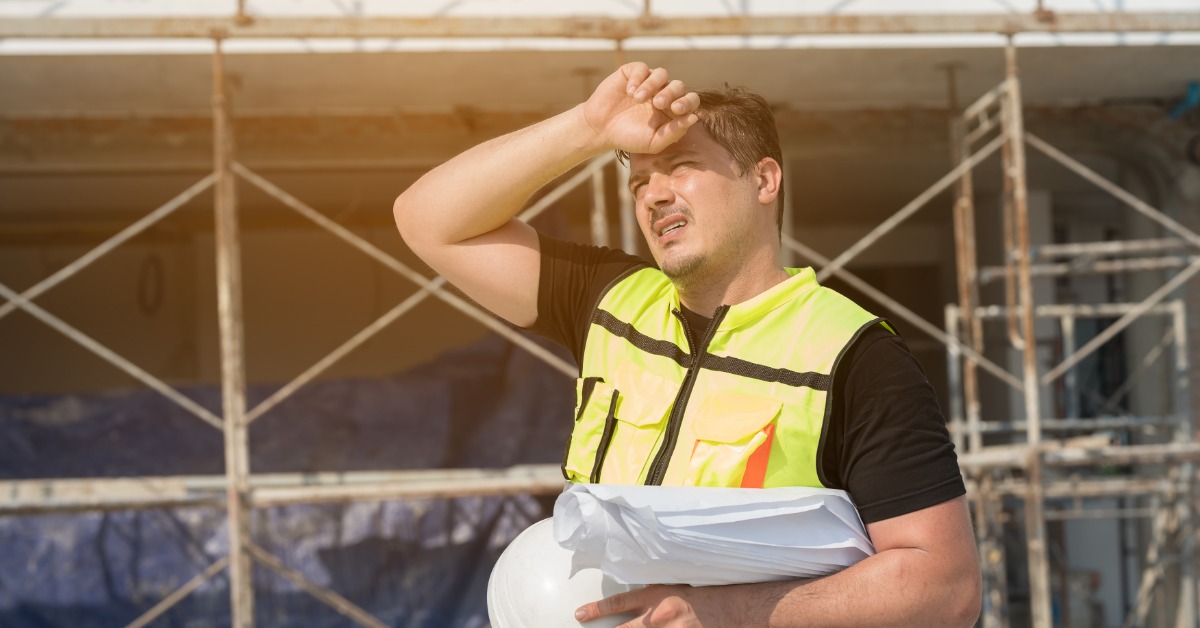
Construction workers spend long hours outdoors, and when the summer heat quickly turns a normal day into a safety issue, crews must be mindful of direct sun and hot equipment. Adopting practical habits can keep everyone focused while protecting their energy and well-being from the first task to the last. Help your team stay cool on the jobsite this summer and keep work moving!
Start Hydrating Before the Workday Heats Up
Hydration should begin before temperatures peak. Workers who start the morning low on fluids can feel heat stress sooner once labor intensifies. Drinking water early gives the body a better chance to handle rising heat with less strain.
A filled bottle at the start of the shift is a smart routine. Supervisors can reinforce that habit by encouraging crews to drink before work begins, not only after they feel thirsty. Early hydration matters even more when the forecast points to a long, high-heat day.
Keep Cold Water Within Easy Reach
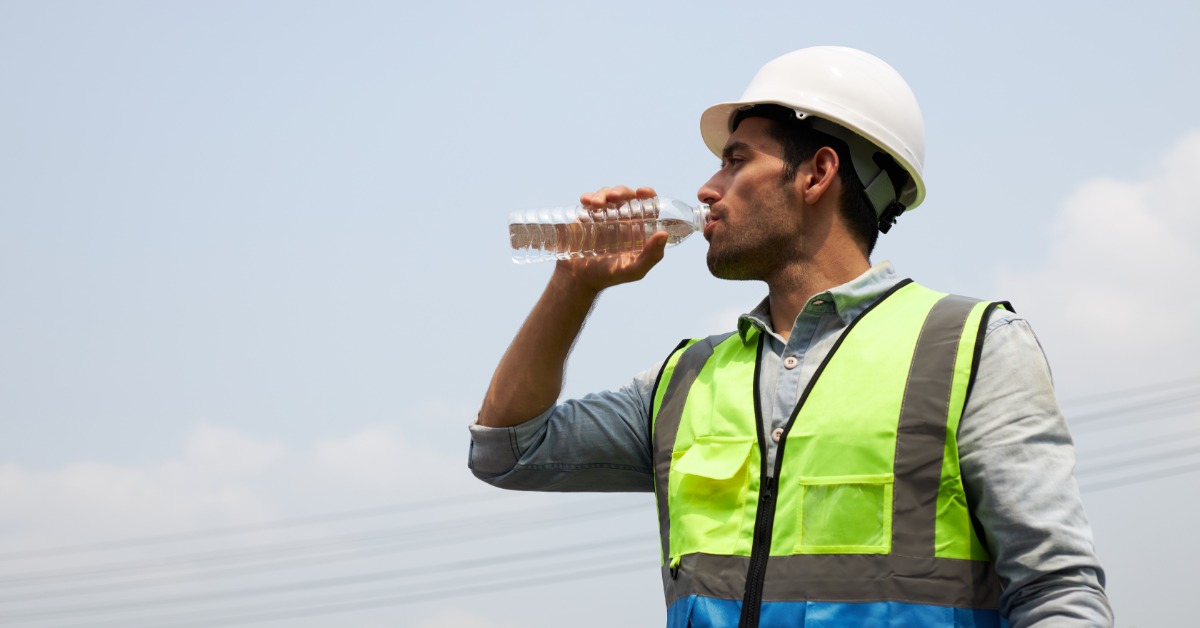
Water helps most when workers can grab it quickly. Easy access encourages more frequent drinking and makes it less likely that someone will delay hydration until the next break. Placement matters almost as much as supply.
Bottled water and refill stations should stay close to active work zones whenever possible. As the crew moves, hydration stations should move too. A convenient setup supports better habits because workers do not have to choose between staying on task and grabbing a drink.
Set Up a Shaded Cooling Area
A shaded area provides workers with a place to cool off during the hottest part of the day. Even a short pause feels more effective when the crew can step out of direct sunlight and recover somewhere cooler.
Canopies and covered trailer areas can all help. Just like hydration stations, these shaded areas should stay nearby so workers don’t have to spend a ton of time walking to a cooling area. Dependable shade also makes crews more likely to use their recovery time well.
Wear Lightweight, Breathable Clothing and PPE
Clothing affects how quickly heat builds during physical work. Lightweight fabrics and breathable layers can help release body heat more efficiently while supporting comfort through long shifts. Workwear should match the demands of the site without adding unnecessary heat.
Required PPE must remain in place, so it helps to choose compliant gear designed for warmer conditions when available. Moisture-managing materials and better airflow can help workers stay drier and more comfortable through a hot afternoon.
Protect Your Head, Face, and Neck From Direct Sun
Direct sun on the head, face, and neck can quickly wear workers down. Those exposed areas take constant sunlight during outdoor jobs, which can increase fatigue and discomfort over several hours.
Hard hat shades, cooling towels, neck coverings, and sunscreen will help reduce exposure. Safety-rated sunglasses may also cut glare and eye strain on bright jobsites. Added protection can make long periods outside feel more manageable and less draining.
Schedule Tougher Tasks Earlier in the Day
The daily schedule can play a major role in heat safety. Strenuous work becomes harder once afternoon temperatures climb, especially on open sites with little natural shade. Planning heavy tasks for earlier hours can reduce pressure on the crew.
Lighter duties, like prep work and less demanding tasks, fit better later in the day. Better timing helps teams maintain a steadier pace without pushing through peak heat. A small scheduling adjustment can improve both comfort and consistency across the shift.
Take Short Cool-Down Breaks More Often

Long gaps between breaks can make heat buildup harder to manage. Short, regular pauses give workers a chance to drink water and reset before discomfort becomes a bigger issue.
A proactive break routine usually works better than waiting until someone looks exhausted. Crews return from brief cool-down periods with better concentration and steadier energy. Frequent recovery also helps supervisors check in on how the crew is handling conditions.
Watch for Signs That Heat Is Affecting the Crew
Heat stress can build gradually, so crews need to know what to watch for. Heavy sweating, dizziness, headache, nausea, cramps, unusual fatigue, and confusion signal that someone needs attention right away.
Team leaders should encourage workers to speak up when something feels off, even if symptoms seem minor at first. Crew members should watch each other, too, since heat can affect judgment before a worker realizes it. Fast recognition gives the crew a better chance to respond before the situation gets worse.
Plan Ahead So the Jobsite Does Not Run Out of Ice
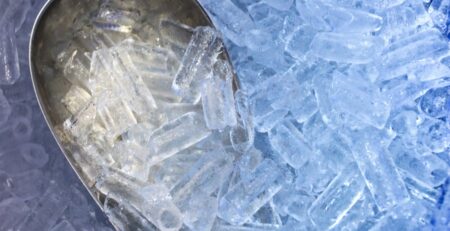
A hot jobsite can burn through ice faster than expected. Water coolers and cold compresses depend on having enough ice available through the full shift. When supplies run low too early, the rest of the cooling plan gets weaker.
Project managers should estimate needs in advance and build in extra capacity for hotter days or larger crews. Delivery time, storage space, and refill planning are necessary when your site depends on cold supplies every day. For many teams, an ice trailer rental can help keep cold supplies available in one central location throughout the day.
Work With Ici Ice To Keep Houston Jobsites Cool
Keeping a crew cool takes more than good intentions once summer heat settles over a Houston jobsite. Break areas need ice on hand and site managers need a plan that holds up through long hours outside. Reliable access to bagged ice and bottled water can support the daily habits that help workers cool down faster and stay better prepared for the heat.
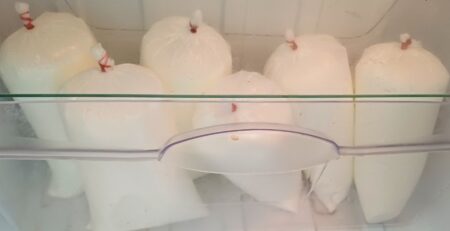
Ici Ice supports those needs by providing fresh, clean bagged ice, bottled water delivery, and rental options for jobsites that require steady cold storage during the workday. Ice trailer and ice box rentals can help crews keep cooling supplies in one place so break-time recovery tools stay available when temperatures rise. For Houston-area contractors managing outdoor work in tough summer conditions, that kind of preparation can help the full heat-safety plan work the way it should.
Summer jobsite safety improves when crews have a clear plan and reliable cold supplies. Small decisions made throughout the day can reduce heat strain and help workers stay productive. With the right setup in place, teams can stay cool on the jobsite this summer and keep projects moving across Houston.






Leave a Reply