

How To Store Bagged Ice for Fairs and Festivals
Picture this: a bustling fairground filled with happy crowds under the summer sun. Vendors are serving frosty beverages, food stalls are sizzling, and everyone’s chasing that perfect balance of fun and refreshment. Behind the scenes, there’s one element keeping it all running smoothly: ice.
From chilling drinks to preserving food, having ice is nonnegotiable for summer events that draw large, bustling crowds. Knowing the ins and outs of how to store bagged ice for fairs and festivals can make or break the day for organizers and vendors alike.
You might be a seasoned event planner or organizing your first festival. Either way, keeping ice frozen, clean, and readily accessible can be tricky in the heat. Ici Ice has the tips, tools, and planning advice you need so you can keep everything cool without breaking a sweat.
Why Proper Ice Storage Matters at Events
Events introduce unique challenges for ice storage due to factors like outdoor heat, long hours, and heavy demand, all of which accelerate melting. When ice runs out faster than planned, food safety is at risk, and vendors may struggle to serve chilled drinks or preserve perishable items. These issues can result in unhappy customers, tarnished reputations, and logistical headaches for organizers.
Poor storage practices can also cause financial strain, as wasted ice means costly, last-minute replacements, often at higher rates during peak times. Maintaining a steady supply of fresh, uncontaminated ice is critical to satisfying customers and maintaining the smooth flow of any event, big or small.
Understanding the Basics of Bagged Ice Storage
Ice must stay below 32 degrees Fahrenheit to avoid melting, a task complicated by high temperatures often reaching 80 to 100 degrees or more. Proper insulation, reduced air circulation around the bags, and shielding from sunlight are essential to minimize heat transfer and keep ice in its solid form.
Bagged ice has an edge over bulk ice, as the individual bags are like barriers that slow down melting. However, maintaining the correct storage conditions is still crucial. Planning storage capacity around peak usage times, like midday when temperatures and crowds are at their highest, means there’s enough ice when it’s needed most.
Choosing the Right Storage Equipment
Coolers and Ice Chests
Traditional coolers are great for smaller events but have limitations for large-scale operations. High-quality coolers with thick insulation walls can maintain ice for 24 to 48 hours under moderate conditions. However, frequent opening and closing dramatically reduce their effectiveness.
When selecting coolers, prioritize models with secure locking mechanisms and heavy-duty construction. Wheels make transportation easier, while drain plugs allow quick water removal without disturbing the remaining ice. Multiple smaller coolers often work better than single large units because they allow for better organization and reduce warm air infiltration when accessing ice.
Commercial Ice Freezers
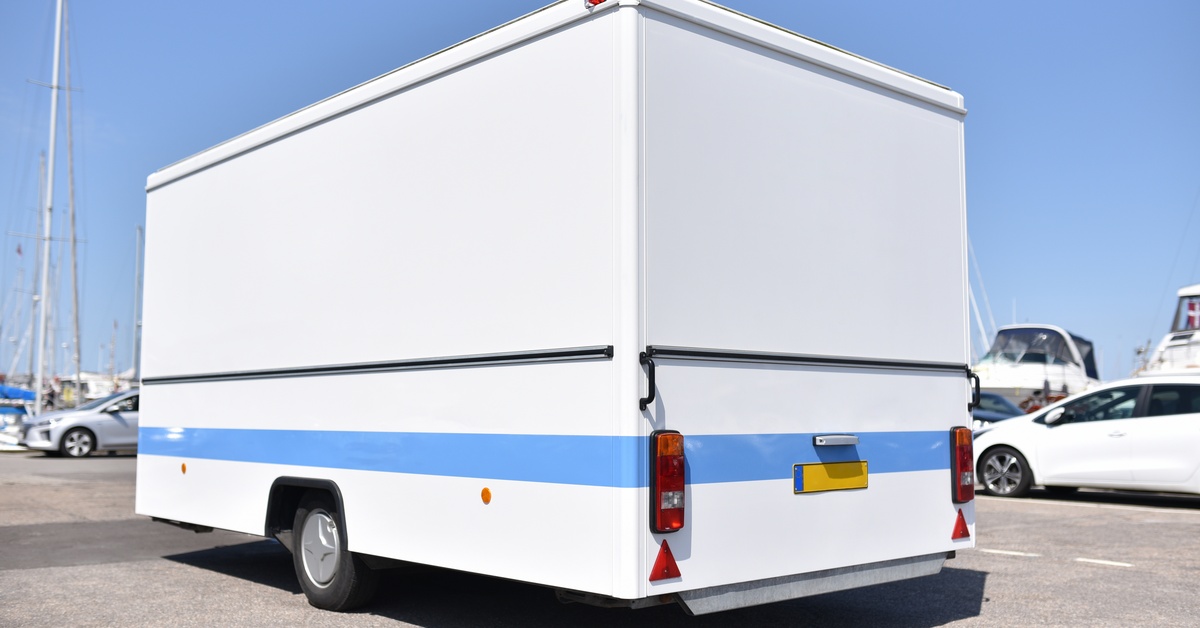
Powered freezers are the most reliable storage solution for large events. These units maintain consistent temperatures regardless of external conditions and can accommodate substantial quantities of ice. That said, electrical freezers require reliable power sources, so a backup generator may be needed for outdoor events.
For events requiring substantial ice storage, consider a refrigerated trailer rental in Houston from Ici Ice. Our trailers provide walk-in freezer space with professional-grade refrigeration systems specifically designed for high-volume operations.
Insulated Bags and Liners
Insulated bags work well for temporary storage and transportation between main storage areas and point-of-sale locations. These portable solutions allow vendors to maintain smaller ice supplies at their individual stations without frequent trips to central storage.
Reflective liners enhance insulation effectiveness by deflecting radiant heat. Silver-faced insulation materials provide superior performance compared to standard foam liners, especially in direct sunlight.
Location, Location, Location: Where To Store Ice at Events
Ice storage placement is critical for preserving its quality. Shaded and ventilated areas control temperature and prevent heat buildup. Avoiding heat sources like generators, cooking equipment, or asphalt surfaces minimizes unnecessary melting.
Accessibility is also key; storage should be easy to reach for deliveries and vendors, but not in high-traffic areas that can invite warm air exposure or security risks. Underground or partially buried storage offers natural cooling benefits. However, when that’s not an option, creating shade structures or temporary coverings can maintain optimal conditions.
Best Practices for Transporting Bagged Ice
Follow these tips to keep ice in top condition during transportation:
- Select insulated vehicles or trailers to maintain cold temperatures and prevent unnecessary melting during transit.
- Stack ice bags carefully to avoid excess pressure on lower layers, which can damage the bags.
- Use tarps or blankets to shield ice from heat and minimize melting during transport.
- Shorten transport time by organizing efficient delivery routes and minimizing delays.
- Schedule deliveries early in the morning or late in the evening to avoid transporting ice during the hottest parts of the day.
- If your event spans multiple days, consider split deliveries to keep storage manageable and ensure fresh ice throughout the event.
Organizing Ice for Easy Access

Efficient organization systems reduce the time storage areas remain open, preserving cold temperatures. First-in, first-out rotation means older ice gets used before newer deliveries, preventing waste and maintaining ample storage.
Separate storage areas for different ice types or vendor assignments prevent confusion and reduce access time. Clear labeling and designated areas for each vendor streamline distribution processes. Consider creating a staging area near storage for preparing vendor allotments. This buffer zone enables quick vendor service without requiring repeated access to main storage areas.
Preventing Ice Contamination
Store ice away from chemicals, cleaning supplies, and potential contamination sources. Prevent cross contamination by separating ice storage from food storage. Regularly clean storage containers and equipment to prevent bacterial growth, and use food-grade sanitizers and established cleaning protocols between uses. Remove damaged or torn ice bags immediately to avoid spreading contamination. Personnel handling ice should follow proper hygiene practices, including clean hands and appropriate clothing.
To beat the heat and keep up with the crowds at your next event, it’s best to know how to store bagged ice for fairs and festivals. Ici Ice is here to help. Our dependable ice trailer rentals provide ample storage and convenience to keep your event chilled and your guests satisfied. No matter the size of your event, we have the expertise to meet your needs. Contact us today to reserve your ice trailer and stay cool at your next event.




Leave a Reply