

How Extreme Heat Impacts Ice Demand in Houston
A Houston ice order that works during ordinary conditions can become tight when temperatures stay high for hours. Crews may use more ice to keep drinking water cold, while outdoor events can lose more product to melting before it is needed. Understanding how extreme heat impacts ice demand in Houston starts with recognizing that both consumption and usable inventory can change quickly. Businesses that track those shifts can adjust before a shortage disrupts the day.
Why Hot Weather Can Push Normal Ice Demand Higher
Extreme heat can raise ice use even when an operation’s size doesn’t change. A construction crew may cycle through coolers more quickly during a long shift, and an outdoor event may need more ice simply because warm conditions increase melting.
Frequent handling can increase loss. Bags that spend time outside frozen storage or coolers that are opened throughout the day may not hold ice as effectively as they would under milder conditions.
Higher temperatures can also expose a supply plan that was already close to its limit. A restaurant may have enough onsite production for a typical service period but little room for a sudden increase in beverage demand. An event team may start using ice during setup several hours before guests arrive.
The main issue is not heat alone. It is the way heat reduces the margin between what an operation normally uses and what it actually has available at any given point in the day.

Where Businesses Feel the Increase First
Jobsites often notice the difference through cooler turnover. A crew that usually makes it through a shift with a certain amount of ice may begin refilling sooner, especially when the workday is long or cooler access is frequent.
Restaurants and bars face a different constraint. Their demand depends partly on how much ice on-site equipment can produce compared with how quickly the kitchen or bar uses it. Busy service periods or equipment problems can create a gap that was not present under normal conditions.
Outdoor events have their own timing challenge. Ice may be used during setup, beverage preparation, and early service before the busiest part of the event begins. Longer events also give inventory more time to be exposed to warm conditions.
Because each setting uses ice differently, a good summer plan should reflect the operation itself. A jobsite, restaurant, and event may all need more ice during extreme heat, but the reason for the increase will not be exactly the same.
What To Review Before Increasing an Ice Order
A larger order should be based on what has changed from a normal day. Recent usage gives businesses a useful starting point because it shows how long the current supply typically lasts and when replenishment becomes necessary.
Before adjusting an order, review:
- The number of people relying on the ice during the operating period
- The length of the shift, service window, project, or event
- The amount of frozen or insulated storage available onsite
- The amount of time the ice will spend exposed to outdoor conditions
- The frequency of cooler, freezer, or beverage-station access
- The ability to receive another delivery if demand changes
- Any site-access restrictions that could affect receiving the order
The goal is to identify which part of the usual pattern has changed. A larger crew may increase consumption, while limited storage may cause usable inventory to run down faster even if demand stays similar.
Watching when the supply starts to tighten can also improve future planning. If ice consistently runs low earlier during hotter days, that pattern provides a stronger basis for adjusting the next order than a generic estimate.
How Storage Can Limit a Larger Ice Order
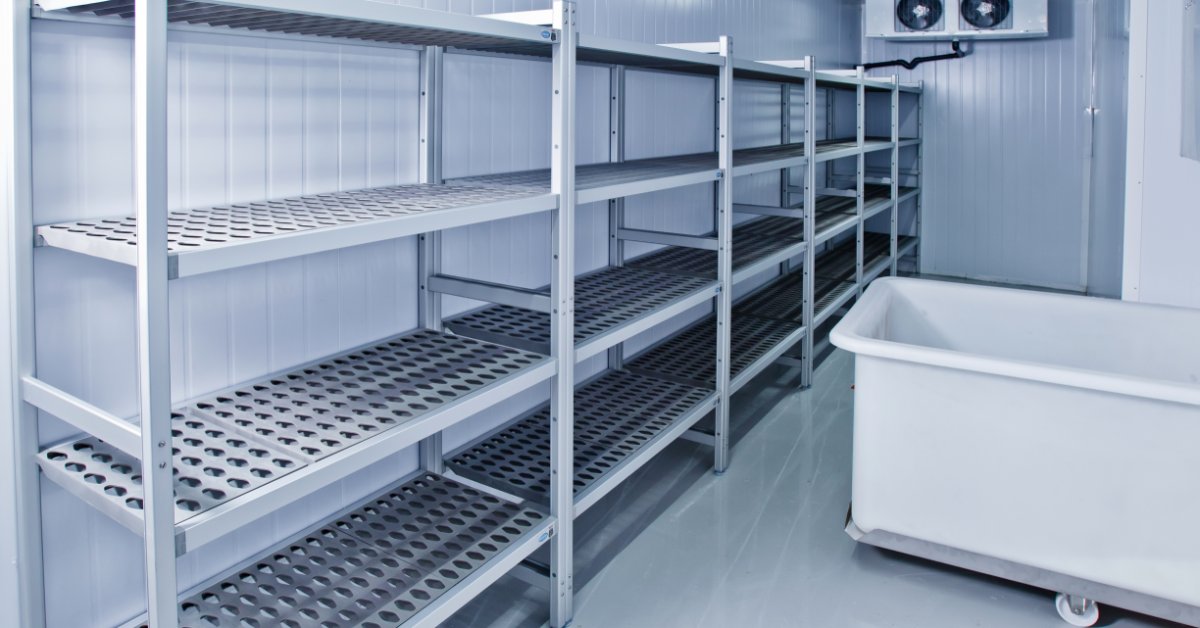
Ordering more ice does not solve much if there is nowhere suitable to keep it frozen. Storage capacity puts a practical ceiling on how much inventory can be held onsite at one time.
A restaurant with limited freezer space may be better suited to smaller replenishments across the day. A jobsite or event with more temporary storage may have greater flexibility to receive a larger quantity at once.
Multi-day operations need to think about storage across the full schedule. Ice that arrives early must remain usable until it is needed, so the ability to hold inventory becomes just as important as the initial quantity ordered.
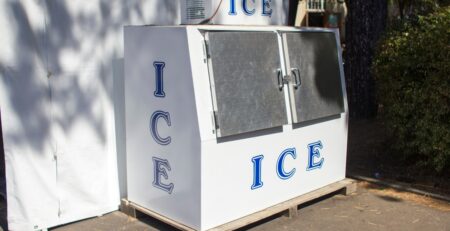
Temporary mobile ice storage can help when existing capacity does not match the expected volume. Before selecting a unit, review placement, power availability, and site access. Addressing those details early makes it easier to build storage into the supply plan.
When a Scheduled Delivery Becomes More Practical
Repeated trips to buy more ice often signal that the purchasing process no longer matches the operation. Each supply run pulls an employee away from normal work and creates another period when inventory may run low.
Predictable depletion makes scheduled delivery easier to consider. If a business knows that ice usually reaches a certain level by a certain point in the day, that pattern can help shape a delivery cadence around actual use.
Storage affects that decision as well. A business with ample frozen capacity may prefer fewer, larger deliveries, while another operation may need more frequent replenishment because it cannot hold as much inventory at once.
Urgent shortages require a different response. Equipment problems, unexpected attendance, or unusually heavy consumption can create a need that was not part of the original plan. Emergency ice delivery may provide an availability-based option when those shortfalls occur.
Extreme Houston heat can change both how much ice an operation uses and how often it needs to replenish supply. The right response depends on how quickly inventory is being consumed, how much can be stored, and whether the need is predictable or sudden.
Plan for the Heat Before Supply Gets Tight
Extreme heat can turn a workable ice plan into a supply problem faster than many businesses expect. Comparing current usage with normal demand, checking storage capacity, and watching when inventory begins to run low can make the next order easier to plan.
Ici Ice provides bagged-ice delivery, bottled-water delivery, urgent replenishment, and temporary mobile ice storage across the Greater Houston area. If hotter conditions are pushing your normal supply beyond its limit, contact Ici Ice with your location, expected quantity, timing, storage, and access needs to discuss an ice delivery service that fits the operation.










Leave a Reply